When AI Agents Verify Product Claims: The New Compliance Layer for Ecommerce Data
AI shopping systems reconcile claims across pages, feeds, certifications, and public sources. Evidence quality is becoming a product-data advantage.
Deep analysis and reporting on how AI agents are transforming commerce - from shopping assistants to autonomous buyers
QVC is welcoming shopping agents, Kate Spade permits browsing but not purchases, and Amazon is blocking them—revealing a widening divide over agent access to retail sites.
Shopify plans to let Meta’s Muse agent complete purchases across its merchant network through Shop Pay, extending agentic checkout to a broad base of independent stores.

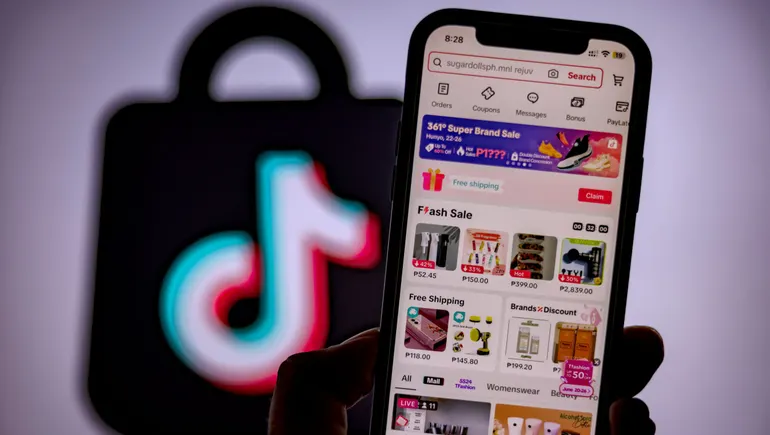
TikTok is pairing an AI shopping assistant with direct checkout, compressing product discovery, advice and purchase into its feed while raising new questions about brand data and customer ownership.

Payments executives say cryptographic audit trails will be essential for proving what consumers authorized, tracing agent behavior and resolving liability when automated purchases go wrong.

Constructor and Stripe are bringing product discovery and payment into one AI shopping experience, allowing shoppers and agents to complete purchases without leaving the assistant.

IDEMIA’s payment infrastructure combines passkey authentication, restricted-use tokens and consent records so card networks can authorize agent purchases within defined limits.

OpenAI is expanding ChatGPT shopping with photo-based virtual try-on and a Favorites library, giving the assistant a larger role in product evaluation and consideration.

Shopify expanded WebMCP support to checkout, giving authorized browser agents structured tools to update order details and place purchases for eligible merchants.

A coalition of major banks says AI-led shopping could increase scams, fraud and data exposure unless payment security and accountability controls catch up.

Two U.S. senators asked the FTC to investigate whether Amazon and Walmart AI shopping assistants obscure country-of-origin information and disadvantage American-made products.
Conferences & summits on our radar

Marketing leaders argue that brands will need richer context, new technical capabilities and different measurement practices as AI agents mediate more shopping decisions.

Research into Claude and ChatGPT shopping recommendations found that the bots can steer wealthier consumers toward higher-priced products, raising new questions about fairness and oversight.

A rigorous framework for measuring how often, how prominently, and how accurately products appear across AI shopping results.

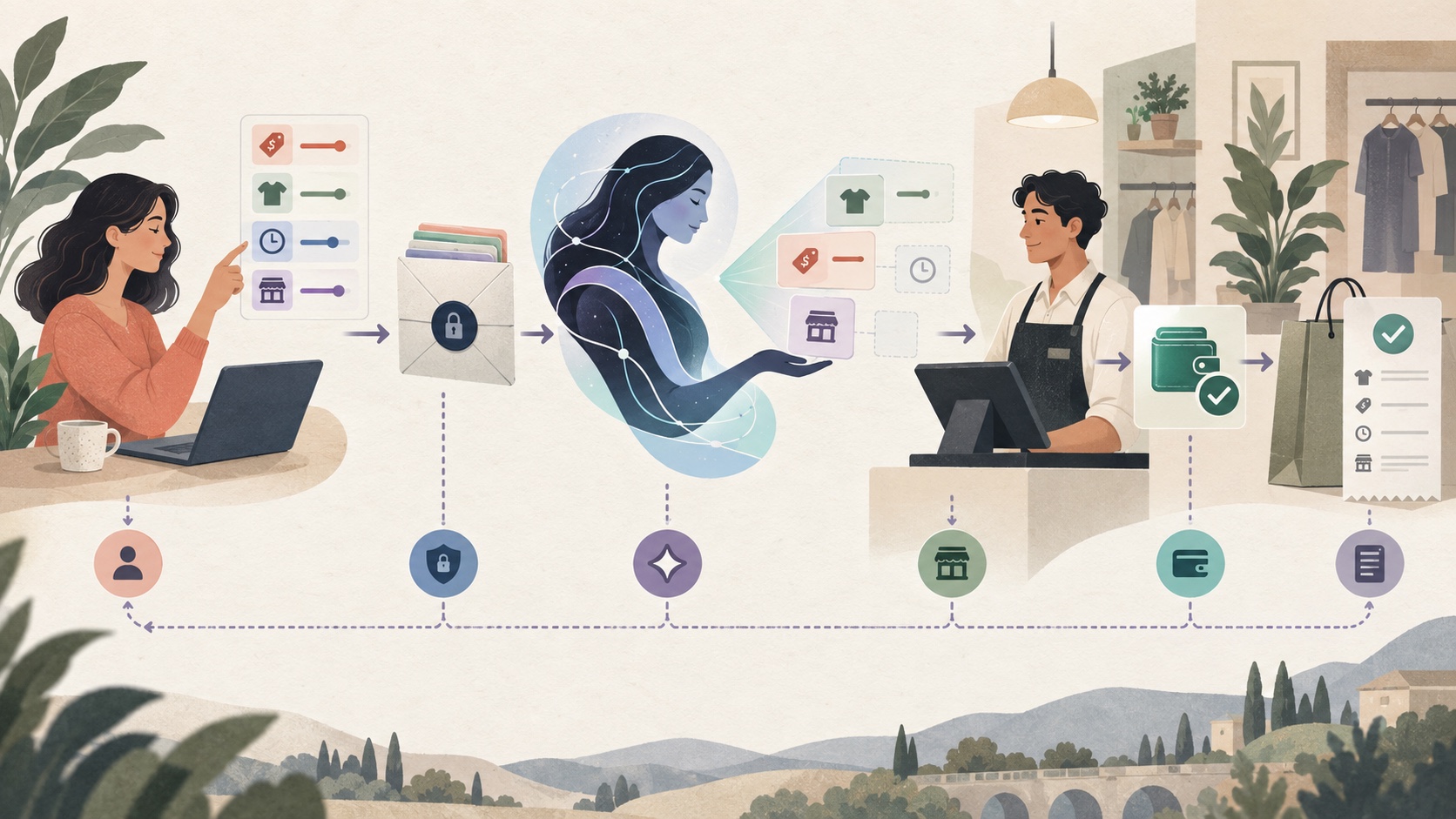
A protocol-neutral guide to agent identity, delegated authority, transaction binding, payment verification, and audit evidence.

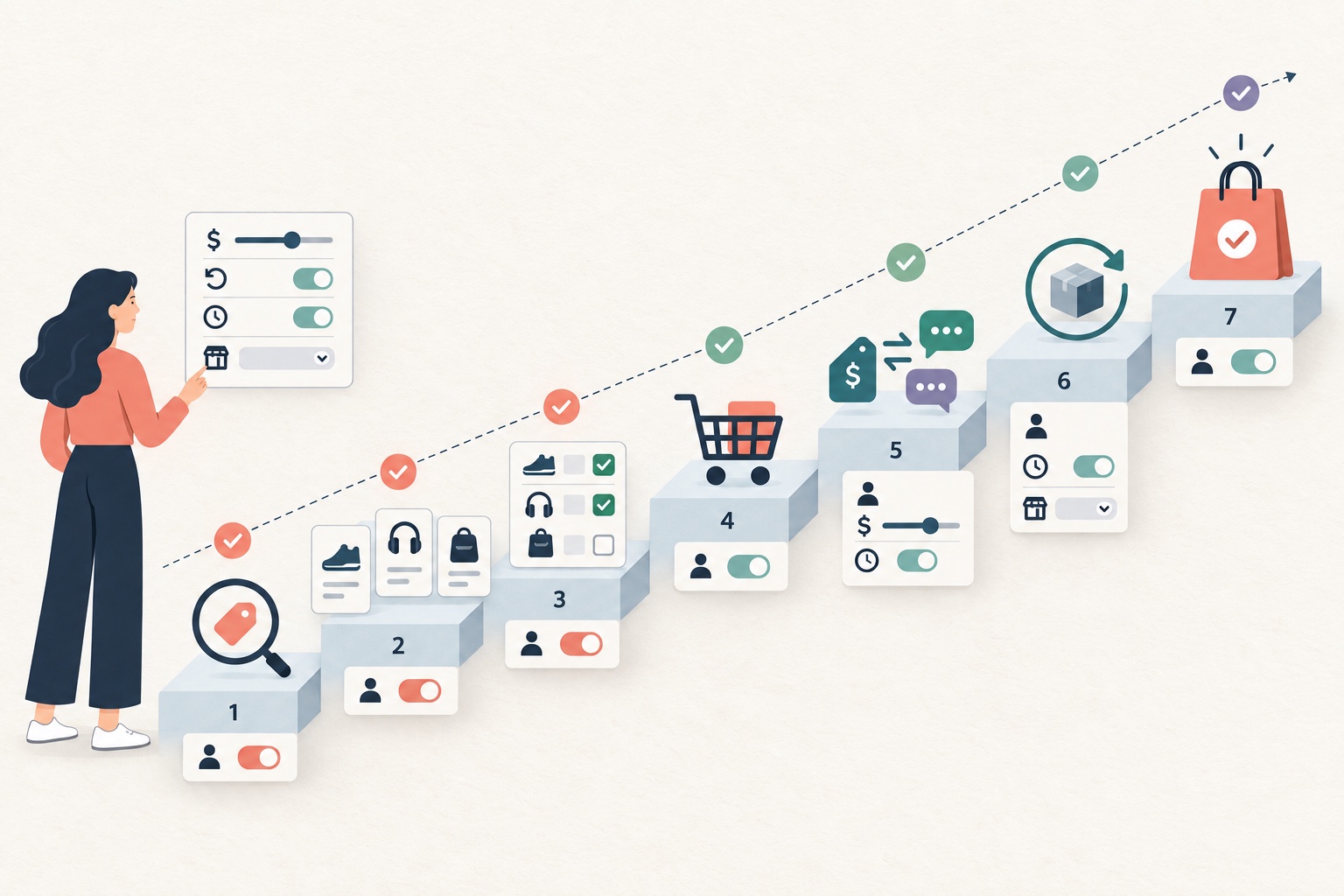
A seven-level UX and policy framework for matching AI shopping authority to risk, reversibility, uncertainty, and customer control.

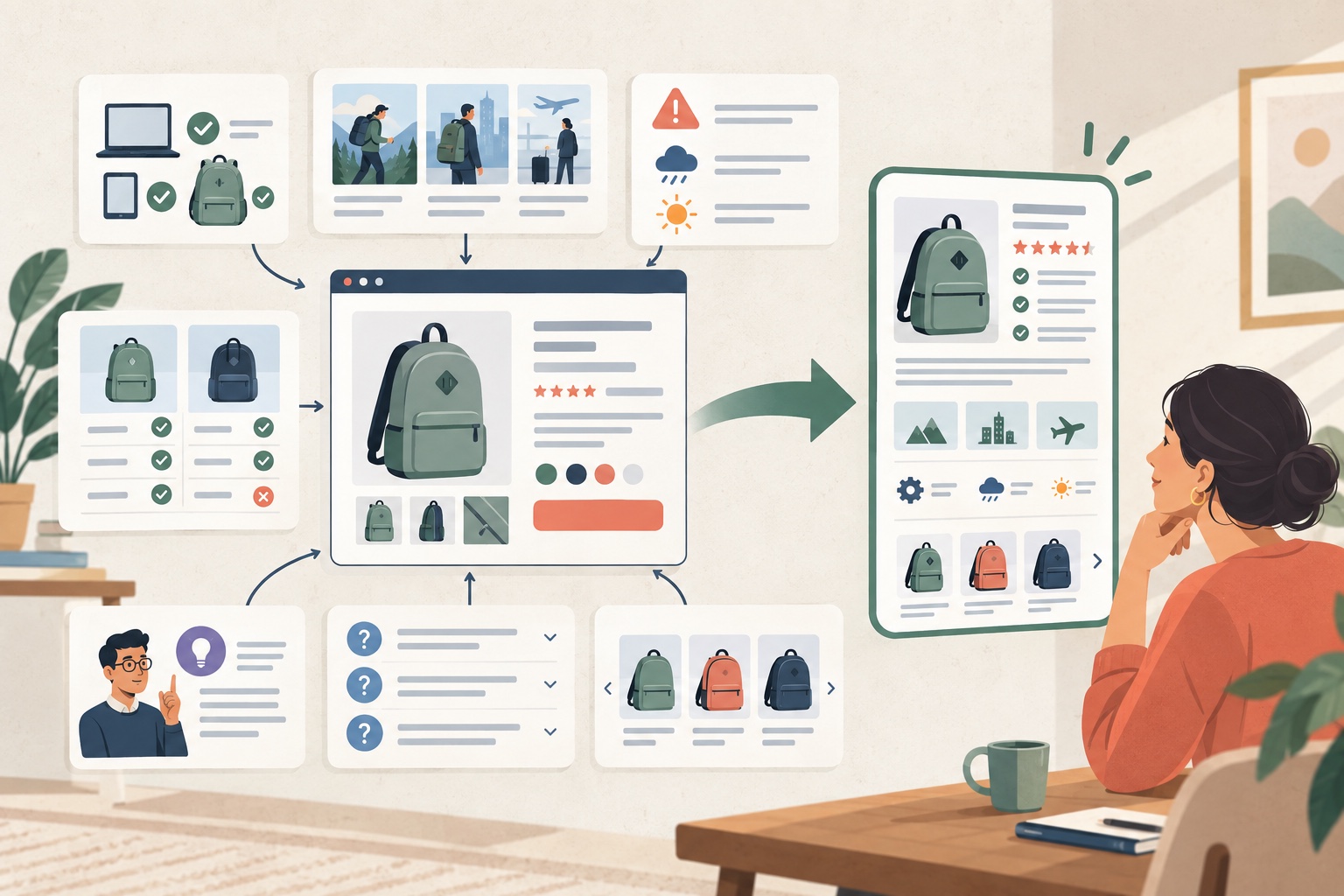
A practical system for publishing compatibility, suitability, constraints, comparisons, evidence, FAQs, and product relationships that AI agents can use.
Zero Click Project documents and analyzes the transformation of commerce as AI agents evolve from shopping assistants to autonomous buyers. We provide the intelligence layer for understanding agentic commerce.
As search engines, AI chatbots, and voice assistants increasingly answer queries and complete transactions without users clicking through to websites, the entire digital commerce landscape is being rewritten. This isn't a distant future - it's happening now.
Our mission is to help merchants, platforms, and technology providers navigate this shift with clarity, data, and actionable insights.