FIDO, Google, and Mastercard Work on Guardrails for AI Agent Payments
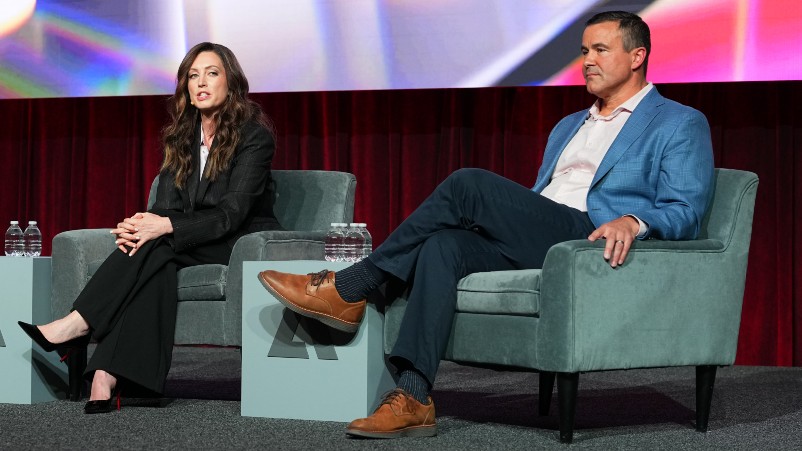
WIRED reports on efforts by FIDO Alliance, Google, and Mastercard to make AI-agent purchases safer as autonomous buying moves closer to mainstream payment flows.
Zero Click Project curates agentic commerce news for operators tracking AI shopping agents, zero-click commerce, and the industry updates shaping how products are discovered, evaluated, and bought. Use this page to follow platform launches, retailer moves, protocol changes, and payment infrastructure developments across the emerging agentic commerce stack.
Editorial summary of the dominant themes emerging from the most recent stories in this feed.
The growing use of shopping agents moves consumer protection from a theoretical concern to an operating requirement. Brand and retail leaders need to understand how agents disclose incentives, obtain authorization, explain recommendations, and resolve mistakes, because those decisions will shape whether consumers delegate actual purchases. Recent examples include Prime Day exposes Amazon’s AI shopping strategy against ChatGPT; Walmart says its Sparky shopping agent is driving additional sales.
Prime Day reporting paired a striking performance signal with a control signal: Adobe found AI-chatbot referrals converted better than search, email, and social traffic, while Amazon has restricted rival shopping agents and continued to develop its own assistant. For brands, agent visibility is becoming inseparable from the rules set by the platforms that control inventory, checkout, and customer access. Recent examples include Target Brings AI Shopping and Checkout Into Google, Copilot, and Ch…; ChatGPT Shopping Results Raise New Risk of Scam Retail Clones.
Recent legal analysis reinforces that payment is not merely the final technical handoff for a shopping agent. When an agent selects the wrong product or acts outside a shopper’s intent, merchants, platforms, and payment providers need clear rules for authorization, liability, cancellation, and remediation before autonomous checkout can earn durable trust. Recent examples include Universal Commerce Protocol Outlines Open Rails for Agentic Commerce; Visa Connects ChatGPT Shopping Agents to Its Payment Network.
Walmart executives say Sparky, the company’s AI shopping agent, is contributing to sales. That matters beyond a single feature launch: when a retailer owns the assistant, it can influence discovery, merchandising, and conversion inside the same closed loop—raising the stakes for brands that depend on retailer traffic. Recent examples include Sephora Extends Beauty Discovery Into Google’s AI Shopping Ecosystem; Retail Dive: Alexa for Shopping Brings Amazon’s Agent Into the Sear….
Evergreen explainers and implementation guides for the agentic commerce stack.
Editorial takes and strategic analysis on what the news means for operators.
Upcoming conferences and industry gatherings shaping agentic commerce.
Key definitions for agentic commerce, AI shopping agents, and zero-click commerce.
Showing 142 articles
WIRED reports on efforts by FIDO Alliance, Google, and Mastercard to make AI-agent purchases safer as autonomous buying moves closer to mainstream payment flows.
Google is extending AI Max for Shopping as AI search changes product discovery, sponsored product placement, and retailer campaign strategy.
Wizard is integrating Mastercard Insight Tokens and Stripe Agent Pay to support personalized discovery and agent-initiated checkout.
Finextra reports that fraud tools built around human behavior are increasingly misclassifying legitimate AI shopping-agent transactions as malicious bots.
Kavout examines how the Amazon and Perplexity shopping-bot dispute could shape platform rules for autonomous agents in ecommerce.
AdMarketplace is piloting performance ads in AI chat environments as commerce shifts toward conversational discovery and trust-sensitive ad formats.
TechCrunch reports on Anthropic's experimental marketplace where buyer and seller agents negotiated real deals involving real goods and money.
At MPE 2026, IXOPAY discussed the payment infrastructure merchants will need as agentic commerce and AI-driven transactions mature.
Modern Retail reports that Amazon has joined the technical council for Google-backed Universal Commerce Protocol, signaling a notable shift in platform strategy.
Modern Retail reports that usage and engagement for Amazon's Rufus shopping assistant are rising sharply, offering a platform-level signal for AI shopping adoption.
Ulta Beauty and Google are rolling out AI Mode, Gemini, and Ulta AI shopping experiences that connect beauty discovery more directly to purchase.
Mondelez is creating a global role focused on AI-driven shopping bots, signaling how major brands are preparing for agent-mediated product discovery.
Bunnings demonstrated a Google Cloud shopping agent that turns customer queries into DIY project plans, extending agentic commerce into complex retail journeys.
Microsoft is adding advertising tools meant to help brands stay visible as AI agents increasingly mediate search, shopping, and purchase decisions.
The retailer is adapting its assortment and inventory data for AI shopping agents, with Shopify powering the underlying commerce layer.