Platforms
The platform race is moving from assistants to owned shopping rails
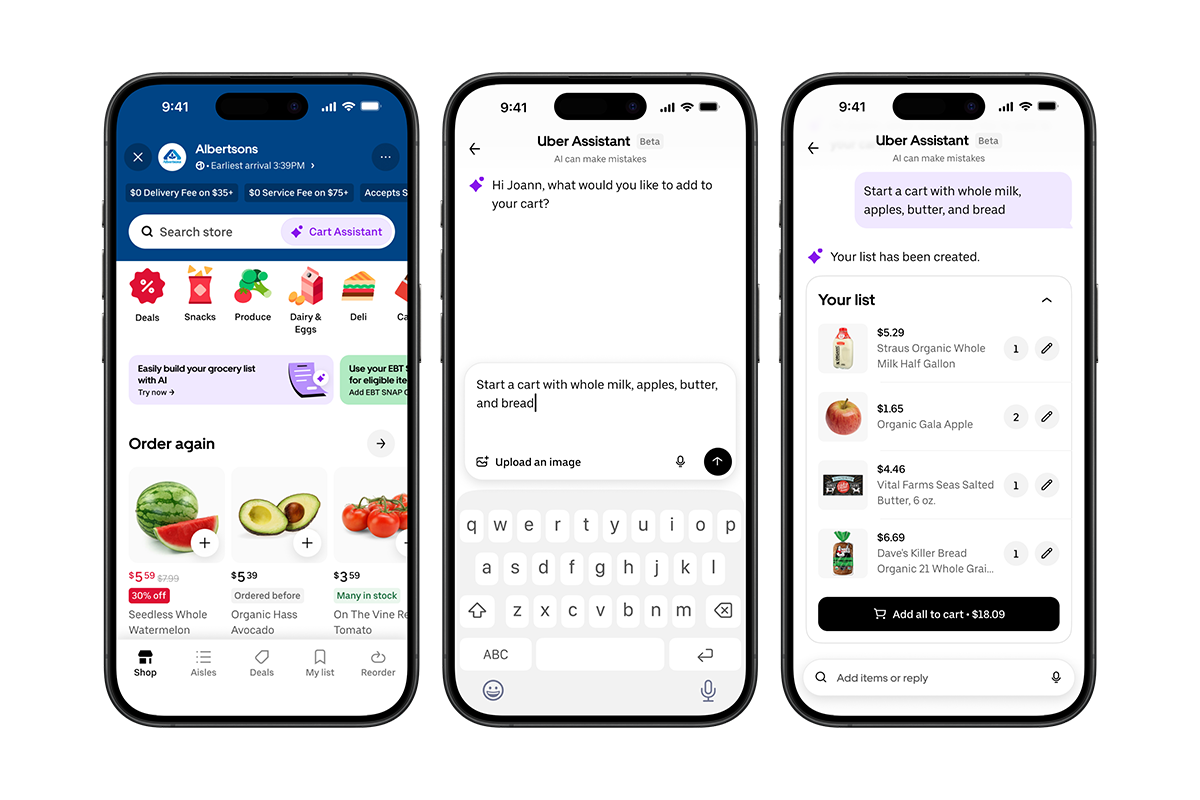
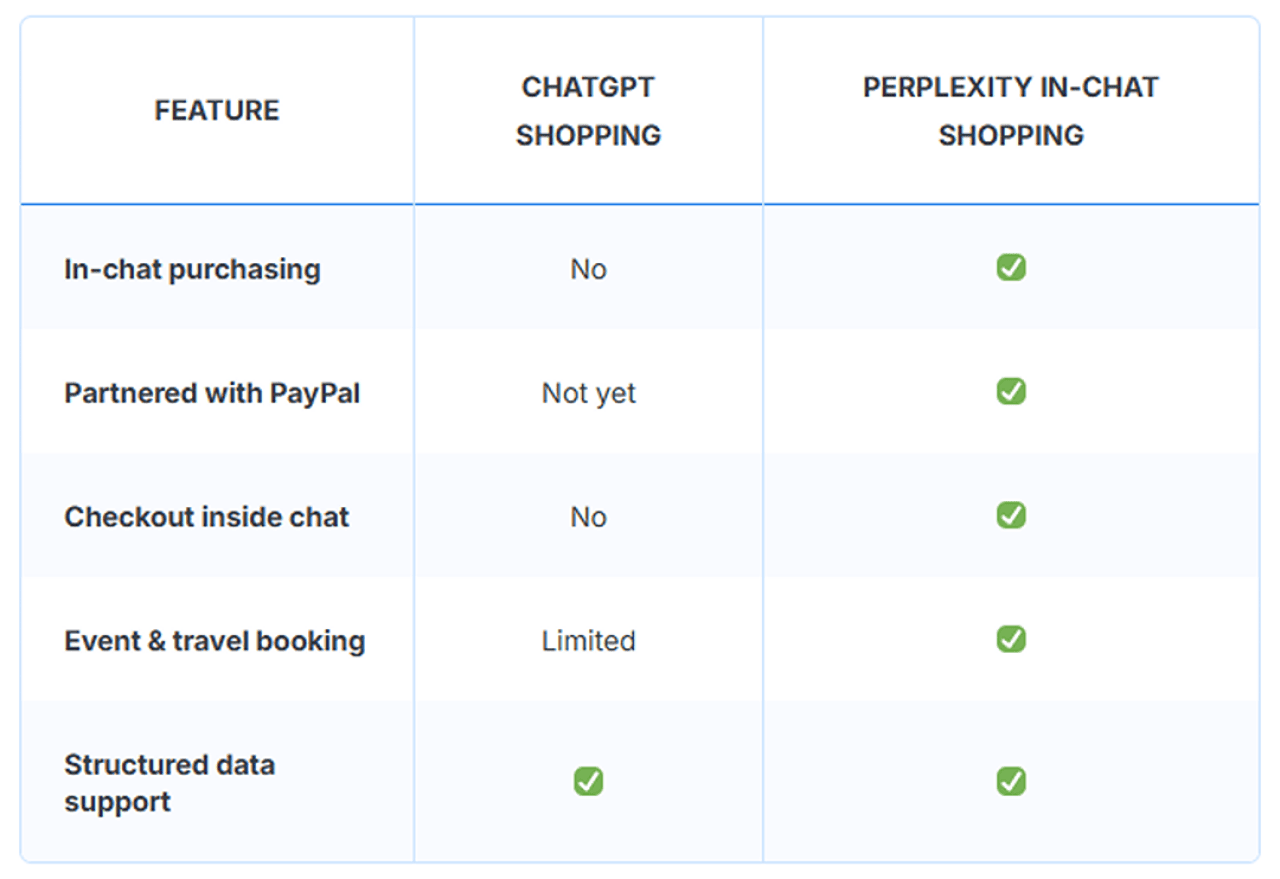
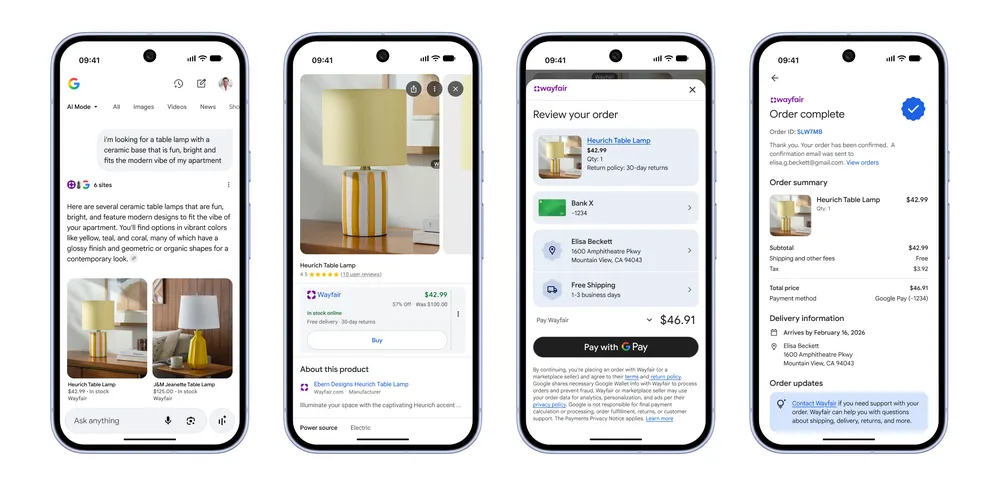
Google is turning Gemini into a commerce surface with Ulta and Bunnings, Amazon is using Prime and Alexa+ as a shopping advantage, and Microsoft is adapting ads for AI-mediated discovery. The strategic question for brands is no longer whether AI agents matter, but which platforms will control the recommendation layer. Recent examples include Ulta and Google Launch Gemini-Powered Agentic Commerce Experiences; Shopify expands Agentic Storefront to ChatGPT, Copilot, and Google….
Retailers
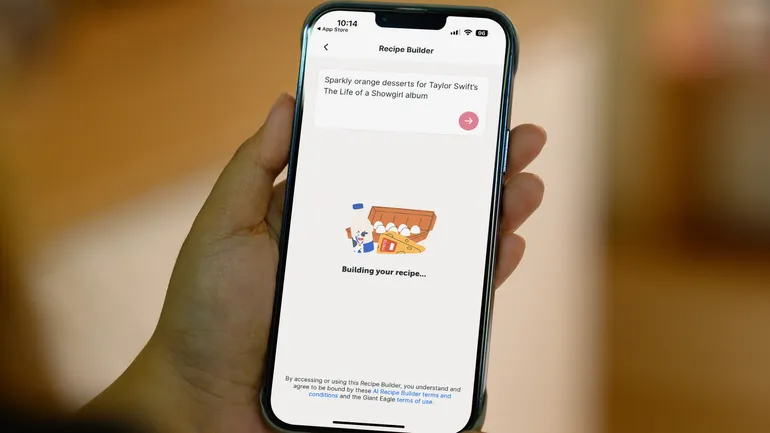
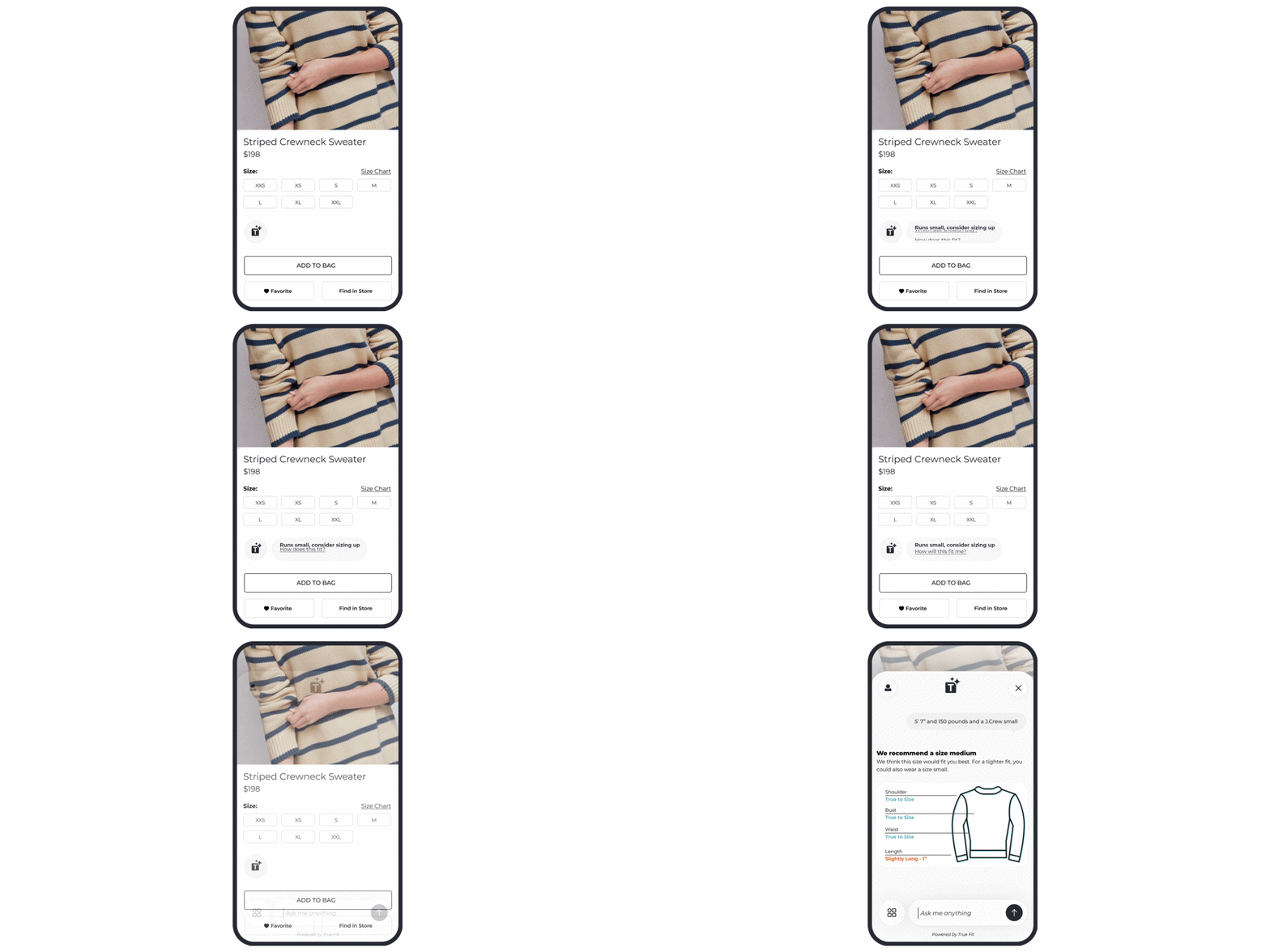
Retailers are testing AI agents where shopping is complex, not just convenient
Ulta is applying Gemini to beauty discovery, Bunnings is using a Google-built agent for DIY planning, and Amazon is leaning on Alexa+ for assisted purchases. The common thread is that agents are being aimed at categories where confidence, context, and product fit matter. Recent examples include Commerce.com rejects Rezolve AI bid as the fight for the commerce s…; Visa launches Intelligent Commerce Connect for AI-powered shopping.
AI Agents
AI agents are becoming a real buyer class, but monetization remains unsettled
AI-driven retail traffic is rising, agentic shoppers appear to be converting well, and major brands like Mondelez are staffing against shopping bots. At the same time, new analysis questions whether shopping agents can capture durable monetization without breaking user trust. Recent examples include Mondelez Hires Global Lead for AI Shopping Bot Strategy; Bunnings Shows Google-Built AI Shopping Agent for DIY Projects.
Payments
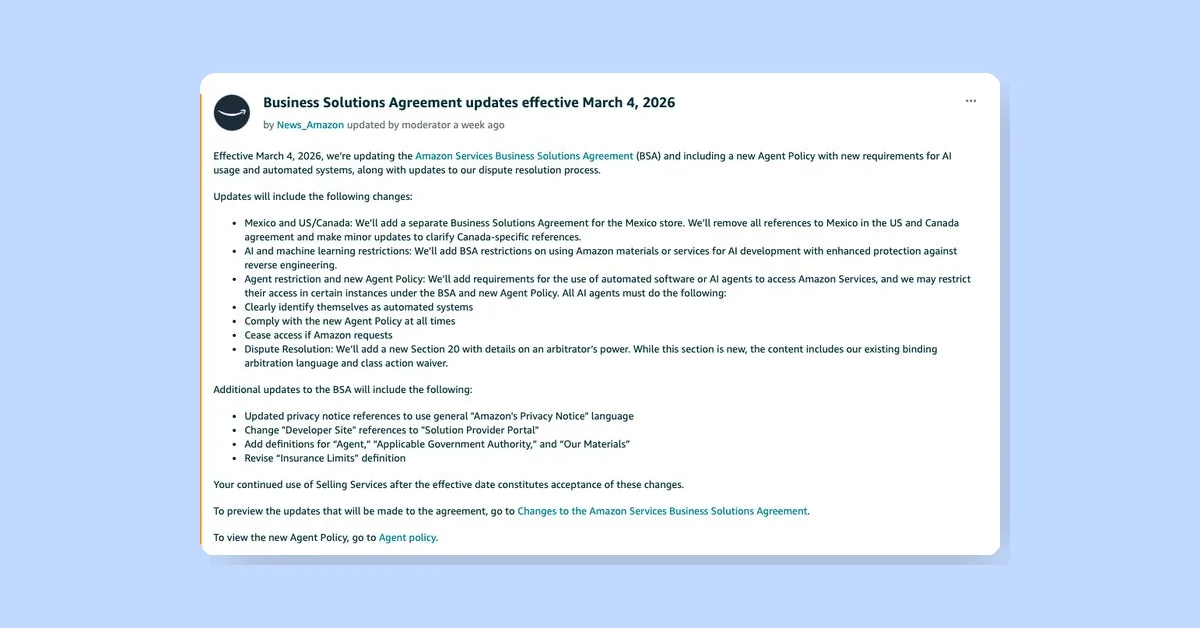
Agent payments are becoming a legal and trust infrastructure problem
Autonomous transactions need clearer rules for consent, authority, terms, jurisdiction, and dispute resolution. The next payment challenge is not just checkout speed; it is proving an agent was allowed to act. Recent examples include Visa AI Strategy Prioritizes Trust in Agentic Omnichannel Commerce.